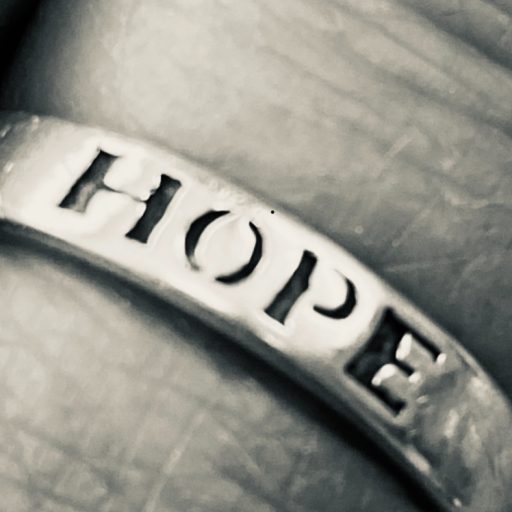

A HOPE Method Reflection on Emotion, Expression, and Stoicism
Protecting my joy and peace is paramount and I’ve learned that some people can’t handle my stoic nature. Something happens, and I don’t panic. I don’t shout, cry, or collapse in the moment — I sit with it, process it, and carry on. Sometimes, I think it’s a learned trauma response. Knowing I cannot change what happened, I move through it until I find my footing, my breath, my peace. Trying to teach people that concept feels almost impossible. You can only meet people where they are, and if they don’t trust your intentions, all they’ll ever see are bad ones — even if you’ve done nothing to earn that suspicion.
It’s also exhausting to have to constantly defend yourself against someone else’s perception of you. I can be minding my own business — getting work done, solving problems in my head, making mental checklists — and somehow, in their eyes, I’ve failed them. Not because of what I did, but because of what they thought my silence, my focus, or my lack of reaction meant. I’ve learned that no matter how much I explain myself, some people will only ever meet me through the filter of their own wounds. And when that happens, I have a choice: spiral into proving myself to them, or keep doing my work and living my peace.
I had no idea I was aligned with Stoicism until I started studying it. I just thought it was how I processed life: calm with peace in mind, heart-led but with my brain engaged in logic. I’ve always seen people’s fear before I saw anything else — even if they were rude or hostile. That insight has been both a blessing and a curse. You see someone’s pain, but you also end up being the one they kick when they can’t find peace in themselves.
remember one July 4th when my ex-husband was in the ICU, dying for the first time. I didn’t want the kids to miss the festivities, so I took them to the parade. We watched the floats pass, they got slushies and hamburgers, and I even won a four-wheeler in the annual duck run. Then we drove straight to the ICU so they could say goodbye to their father. He survived — and would go on to do so more than 20 more times — but that day etched into me the reality of Stoicism: life can be both parade and hospital in the same afternoon. You hold both without falling apart.
Another time, a gentleman from Bulgaria would regularly come into the courthouse where I worked. He was loud, spoke aggressively, and made everyone uncomfortable. No one wanted to deal with him. But I didn’t flinch. I could hear the desperation under the volume. So I listened, translated his tone for the others, and helped him get his concerns heard. He didn’t need someone to match his fire — he needed someone to stand in calm water while he raged.
That’s the quiet truth about walking in peace: it’s not about never feeling, it’s about knowing where to stand in the middle of life’s extremes. Sometimes people will misjudge you for it. Sometimes they’ll mistake your calm for coldness or your patience for indifference. But peace doesn’t need to be explained — it needs to be lived. And maybe the real Stoic lesson is this: Your peace will never make sense to people who are still at war with themselves.
In truth, the hardest part of living a stoic, heart-led life isn’t facing life’s events — it’s enduring the misinterpretation of your motives. I have walked through enough situations to know that my intentions are good, my heart is soft, and my logic is steady.
Yet over and over, people have mistaken my calm for coldness, my analysis for criticism, my silence for judgment. And after years of trying to explain, defend, or prove myself, I’ve felt an interstitial crisis set in — a space between my true self and the version others insist on projecting onto me. It’s exhausting, and it can make solitude feel safer than connection. But here’s the truth I’ve learned: people can only meet you from where they are. Their perception is their mirror, not your reflection.
SoulHOPE Reflection Prompt
(From the SoulHOPE by Wild Soul HOPE community – https://wild-soul-hope.passion.io)
- Think of a recent time when you stayed calm while others reacted strongly.
- How did you feel inside during that moment — and how did others perceive you?
- What part of their reaction do you think came from their own wounds, and what part came from you?
- How can you honor your peace while also communicating your intentions more clearly?
When the Soul Remembers HOPE — available now at books.by/wild-soul-hope, Amazon, and Kindle.
Follow along: @wildsoulhope | @hopeandhoney
 Wild Soul HOPE
Leave a comment