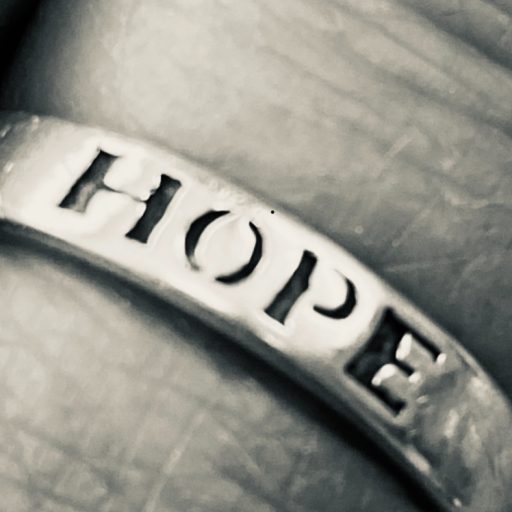

A HOPE Method Reflection on Emotional Mastery, Stillness, and Leading From Within
When the Weight of the World Rests on Your Breath
He was the most powerful man in the Roman Empire. But at night, in private journals never meant to be published, Marcus Aurelius wrote to himself like a humble seeker. His words weren’t boastful or grand. They were grounded. Honest. Even tired. They read like the thoughts of someone not trying to conquer the world — but trying to remain himself in the face of it. And in that, Marcus Aurelius gives us something precious: A model of leadership rooted in clarity, calm, and alignment — not domination. He didn’t preach. He practiced. And what he practiced is exactly what the HOPE Method™ asks of us now.
Who Was Marcus Aurelius?
- Roman emperor from 161 to 180 CE
- Philosopher-king, deeply influenced by Stoicism
- Author of Meditations — a collection of personal reflections, not meant for others
- A ruler during war, plague, political betrayal, and personal loss
He didn’t deny pain — he learned to walk through it with grace. His power didn’t make him arrogant. It made him conscious.
What Is Stoicism?
Stoicism is an ancient Greek philosophy centered on:
- Distinguishing what we can control from what we cannot
- Emotional resilience through self-discipline
- Virtue over pleasure, purpose over ego
- And the belief that true power lies in our response, not our circumstances
Marcus Aurelius & The HOPE Method™
| Marcus’s Teachings | HOPE Method™ Alignment |
| You have power over your mind not outside events. | Harness Optimal Positive Energy through self-awareness |
| Practiced stillness to remain centered | Nervous system regulation as the gateway to clarity |
| Accepted death, pain, and betrayal without collapse | Choosing optimal over familiar, especially during grief |
| Led by inner virtue, not external applause | Living in vibrational alignment, not performance |
| Reflected daily on what mattered most | Energy audit: reclaim, refine, and refocus daily |
Marcus governed during wars, political upheaval, plagues, betrayal, and unrelenting responsibility. He had every reason to become bitter, corrupt, or emotionally numb. And yet… he turned inward.
He journaled. He questioned himself. He practiced presence. Even in the chaos of command, he refused to outsource his peace. He lived by the belief that integrity isn’t a luxury — it’s a discipline. And that’s why his writings still matter. Because Marcus didn’t teach from a mountaintop — he taught from the battlefield of life.
Even in his stoic clarity, Marcus practiced something we now call emotional intelligence — the ability to pause, reflect, and respond instead of react. He knew the cost of letting anger or ego rule the moment. And while he rarely used emotional language, his work teaches us that true strength comes from knowing ourselves fully — including the emotions we’d rather avoid. That’s what I’ve learned, too. That healing isn’t about bypassing emotion… it’s about becoming fluent in it. That’s how presence is built — not by ignoring feelings, but by learning to walk through them with grace.
That’s what makes his words feel so familiar to me now. Because I’ve stood under pressure too — not as an emperor, but as a woman.
As a caregiver, a professional, a mother, a leader, a soul trying to hold it all together. There were seasons I was expected to be everything for everyone — compassionate but efficient, soft but strong, spiritual but grounded, intuitive but logical. And through it all, I lost pieces of myself trying to manage the external chaos.
Until, like Marcus, I realized… Peace is not the absence of pressure. It’s the presence of inner mastery. That’s when I stopped chasing calm through control. And instead, I started building it within — through presence, honesty, and the HOPE Method™. Choosing to move inward and work on myself to be able to adjust myself. Looking toward that inner child and teenager who loved without condition and gave without exception to herself and to others.
There are times when I am constantly surrounded by noise — opinions, expectations, projections. I have been expected to lead but not speak too boldly. At home, I was the one everyone leaned on — but rarely listened to. In every room, I felt both visible and invisible at once. And for a while, I thought maybe if I could just be better — quieter, more polished, more agreeable — things would get easier. But that only made the ache louder. Then one day, I sat alone. No one to please. No audience to perform for. And I asked myself: Who am I when no one is watching? What do I believe when the world is silent?
That moment changed everything. Because like Marcus Aurelius, I realized: Power doesn’t come from the role we play in public. It comes from the truth we hold in private. I stopped trying to meet everyone’s expectations. And I started building what Marcus called the inner citadel — the soul’s sanctuary. That was another pivotal moment that helped build The HOPE Method.
Whether you’re leading a family, a team, a healing journey, or your own heart, true power is quiet. It’s the pause before the reaction. The breath before the spiral. The ability to feel deeply — without being ruled by feeling. This is energetic leadership. This is HOPE with integrity. Not a method for escaping the world — but for facing it with presence, peace, and personal power.
Soul Practice: The Morning Compass
Each morning, ask yourself:
- What energy am I carrying?
- What is mine to influence today — and what is not?
- What would the version of me aligned with HOPE choose next?
Write the answers down. Or carry them silently. Either way, let presence guide you more than pressure.
Final Reflection: Quiet Power Is Lasting Power
Marcus Aurelius ruled millions. But what he most wanted to rule was his own mind. He didn’t hide his doubt or fatigue. He just kept choosing clarity over chaos — every single day. That’s what the HOPE Method™ invites us into:
- Not to perfect your energy, but to practice it.
- Not to avoid hard things, but to face them with alignment.
- Not to control the world — but to remember your peace in the midst of it.
“Waste no more time arguing what a good person should be. Be one.” — Marcus Aurelius
Explore When the Soul Remembers HOPE and reclaim your center: https://books.by/wild-soul-hope and Amazon
 Wild Soul HOPE
Leave a comment